Round Lake Beach Top Landscaper Delivering Quality Outdoor Solutions
Round Lake Beach Top Landscaper Delivering Quality Outdoor Solutions
Blog Article
Experienced Landscape Architect for a Impressively Designed Garden Area
A professional landscaper takes on an essential role in converting outdoor spaces into beautifully crafted retreats. Their expertise depends on evaluating site problems and selecting suitable plant species. By harmonizing colors and textures, they create functional designs. Additionally, they institute sustainable practices that benefit the environment. The potential impact of these transformations on property value raises important questions about the benefits of investing in professional landscaping. What specific advantages can one expect from such an investment?
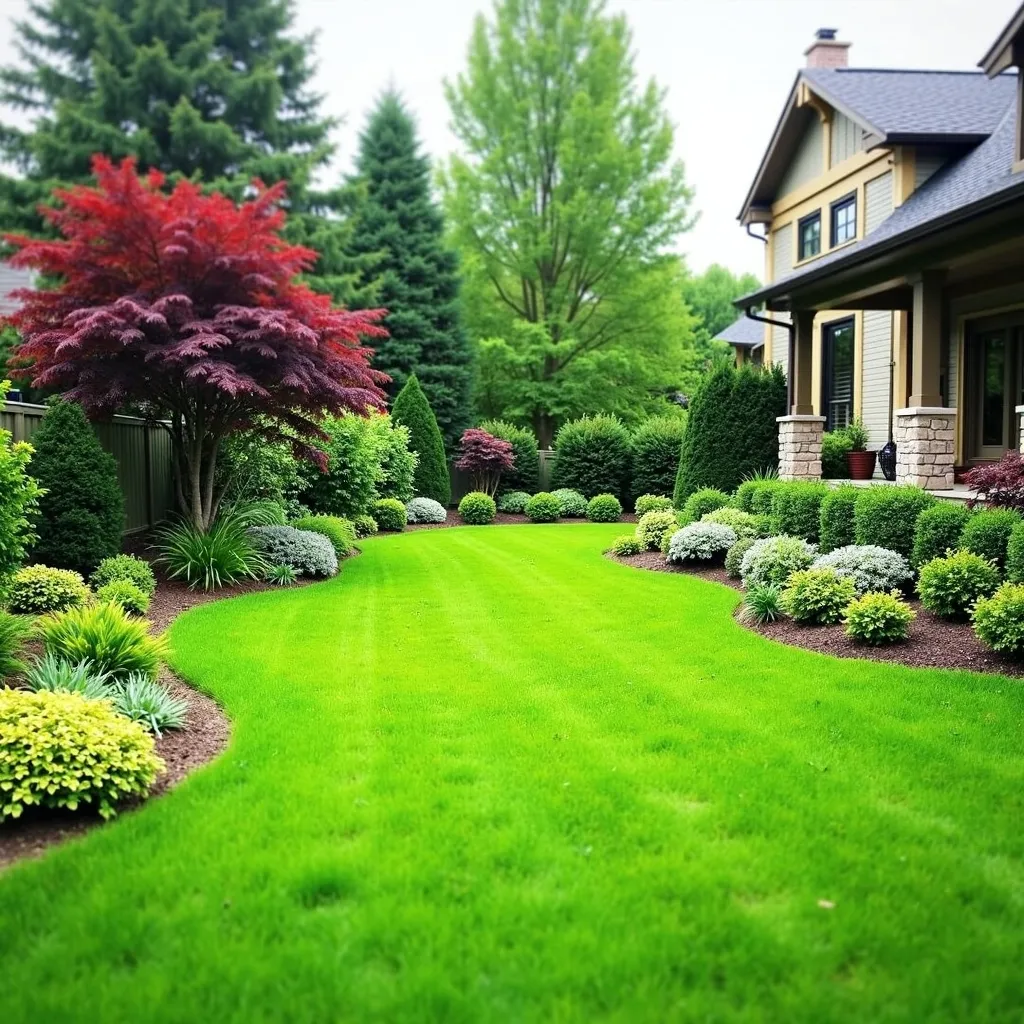
Tackling Typical Landscaping Problems With Expert Support
While many homeowners desire to design stunning outdoor spaces, they often encounter various landscaping challenges that can be overwhelming to handle by themselves. Issues such as poor soil quality, insufficient water management, and the selection of appropriate plant species can obstruct even the most enthusiastic gardener. Expert landscape designers have the expertise to assess these challenges successfully. They can suggest ground improvements, establish proper drainage solutions, and choose vegetation that thrive in specific conditions.
In addition, landscape design incorporates aesthetic components that require a sharp appreciation for functionality and beauty. Professionals can establish cohesive layouts, confirming that softscapes and hardscapes work well together. By drawing on their experience, homeowners can sidestep costly oversights and frequent pitfalls. In this partnership arrangement, specialists not only upgrade the aesthetic quality of exterior spaces but also secure lasting environmental health. Therefore, hiring professional assistance can transform overwhelming design obstacles into achievable endeavors, leading to beautiful stunning results
The Importance of Experienced Landscaping on Garden Design
Expert landscaping significantly improves the aesthetic quality of garden designs, transforming ordinary areas into visually stunning settings. By employing strategic layouts and plant selections, experts also optimize functionality, guaranteeing that outdoor areas provide both aesthetics and purpose. This combined effect generates areas that are not only appealing but also functional for everyday activities.
Beauty Quality Upgrading
A carefully designed landscape can considerably elevate the attractiveness of any outdoor environment, changing an ordinary garden into an enchanting retreat. Professional landscapers have the expertise to blend tones, surfaces, and shapes, making sure that every element complements each other. By including diverse plant types, thoughtful placement of features, and considered use of materials, they design remarkable environments. The use of focal points, including sculptures or water features, attracts attention and adds character, while pathways and borders improve structure and flow. Additionally, year-round appeal is deliberately considered, allowing gardens to evolve throughout the year. Ultimately, the artistic vision and skill of professional landscapers lead to spaces that inspire serenity and admiration, enriching the overall experience of outdoor living.
Practical Space Refinement
Effective yard work goes beyond mere aesthetics; it also plays a key role in optimizing functionality within outdoor spaces. Professional landscapers assess the unique characteristics of a site, considering factors such as sunlight, soil type, and existing structures to create designs that enhance usability. They implement features like pathways, seating areas, and raised beds, ensuring that outdoor spaces serve multiple purposes. By integrating elements such as irrigation systems and native plant selections, they promote sustainability while minimizing maintenance efforts. Moreover, a well-planned layout can improve traffic flow, making spaces more navigable and enjoyable. Ultimately, professional landscaping transforms gardens into functional environments that meet the diverse needs of homeowners, blending beauty with practicality for a harmonious outdoor experience.
Choosing the Right Plants: Expert Tips for Selection and Placement
When selecting plants for an outdoor space, grasping the specific conditions and design objectives is essential for creating a harmonious landscape. Elements such as light exposure, soil type, and climate are important in choosing plants. For instance, shade-loving plants thrive under canopies, while plants that love sunlight require open spaces.
Furthermore, evaluating the desired visual appeal is essential. Color schemes, finishes, and seasonal changes should align with the overall design concept. To enhance depth, professionals often recommend arranging plants in layers by size and structure, making certain taller varieties go in the rear and shorter ones in the front.
Furthermore, adding local plants can promote species diversity and lower maintenance demands. In conclusion, it is advisable to group flora with similar water and nutrient needs to create a more sustainable outdoor area. By following these professional suggestions, one can establish a beautifully balanced exterior area that reflects personal preference and ecological fit.
Functional Hardscapes: Walkways and Patios
Pathways and patios function as vital elements in outdoor design, improving both functionality and visual beauty. Multiple materials and design options allow for personalization, meeting individual preferences and landscape needs. Understanding the benefits of hardscapes can significantly boost the usability and charm of any outdoor space.
Advantages Of Pathways
A thoughtfully crafted pathway enhances both the visual appeal and practicality of exterior areas. Walkways serve as essential connectors, guiding visitors through gardens, yards, and patios while creating a clear flow. They improve accessibility, allowing convenient navigation and reducing wear on lawn areas. Furthermore, pathways can define spaces, establishing designated areas for rest or gatherings. Various materials, such as stone, brick, or gravel, offer diverse design options, enabling homeowners to harmonize pathways with their overall landscape theme. Additionally, pathways can enhance safety by providing stable footing and reducing mud or skidding hazards. Overall, the inclusion of pathways significantly adds to the beauty and practicality of outdoor environments, making them an essential element in outdoor landscaping.
Patio Arrangement Alternatives
When designing an outdoor space, patio options have an important role in enhancing both usefulness and style. Various design choices exist, allowing homeowners to build personalized outdoor retreats. For instance, a simple rectangular layout offers a classic look, while circular or curved designs can introduce a smoother aesthetic. Multi-level patios can add dimension, seamlessly fitting into the surrounding landscape. Incorporating built-in seating or fire pits increases usability, making patios suitable for meetings or relaxation. Additionally, the use of greenery, such as planters or trellises, can soften hard edges and add vibrancy. Ultimately, thoughtful patio design can turn any outdoor area into a versatile space that complements the home’s architecture and enhances the overall ambiance.
Key Materials For Hardscapes
Selecting the right materials for hardscapes is essential for creating practical and attractive outdoor spaces. Pathways and patios benefit from a variety of durable options, such as concrete, pavers, and natural stone. Concrete delivers versatility and can be customized with various finishes. Pavers, available in diverse shapes and colors, deliver easy installation and repair. Natural stone, while often more expensive, adds an organic aesthetic that elevates the landscape's beauty. Additionally, gravel and decomposed granite serve as superior connected information alternatives for informal pathways, allowing for effective drainage. Selecting the appropriate material not only guarantees longevity and functionality but also harmonizes with the overall design, contributing to a cohesive outdoor environment.
Sustainable Yard Practices for a Greener Home
Sustainable landscaping techniques provide numerous benefits for homeowners seeking to create a more environmentally friendly environment. By using native plants, homeowners can reduce water usage and remove the need for chemical fertilizers and pesticides, promoting local biodiversity. Rain gardens and permeable pavements are effective strategies for handling stormwater, helping to avoid erosion and encourage groundwater recharge.
Additionally, using natural mulch can enhance soil health while controlling weed growth. Homeowners may also think about xeriscaping, which entails planning landscapes that need minimal irrigation, consequently conserving water resources.
Breaking down organic waste helps with soil improvement and lowers landfill burden. Moreover, picking efficient outdoor lighting can minimize electricity consumption.
What Methods Can Expert Landscaping Enhance Your Home Value?
Professional yard design can significantly improve a property's value, often boosting it by up to 15%. A well-designed outdoor space not only enhances curb appeal but also creates a welcoming environment for potential buyers. Key elements such as trimmed grass areas, strategically placed trees, and vibrant flower beds add to an inviting aesthetic that draws attention.
In addition, professional landscapers can create practical amenities like patio spaces, garden paths, and decorative water features, which optimize usability and enjoyment. These improvements can bring about superior valuations and rapid sales in a demanding market.
Additionally, allocating resources toward environmentally responsible landscape methods can resonate with eco-aware clients, further elevating a property's desirability. Strategic landscaping harmonizes with the dwelling's aesthetic while employing indigenous vegetation, which requires less water usage and care. Overall, skilled landscape design acts as a powerful tool for property investors looking to maximize their asset's prospects and financial gains.
Commonly Sought Queries
What Timeframe Is Needed for a Typical Landscaping Project to Finish?
A conventional landscaping project can go anywhere from a few days to several weeks, based on the project's size, complexity, and the specific requirements included. Environmental circumstances and material availability may also affect the timetable.
What Are the Charges Involved in Contracting a Skilled Landscaper?
The expenses associated with employing a professional landscaper can vary greatly, generally ranging from $50 to $150 per hour. Extra expenses may include materials, permits, and design fees, potentially amounting to thousands based on project scope and intricacy.
Do Landscapers Deliver Servicing Services After Implementation?
Yes, many landscape professionals offer upkeep solutions after installation. These services can encompass routine grass maintenance, trimming, and seasonal clean-ups, ensuring the landscape stays attractive and well-maintained over time, tailored to the client's needs.
What Steps Should I Take to Prepare My Yard for a Landscaping Undertaking?
To prepare a yard for a landscape design, one should remove clutter, assess soil quality, mark desired areas, and account for water flow. Additionally, designing the arrangement and selecting plants suitable for the environment is essential.
What Critical Details Ought to I Concentrate on in a Landscaping Contract?
When analyzing a landscaping contract, you need to verify explicit project descriptions, completion dates, cost schedules, assurances, and cancellation policies. Clarity on materials and work specifications is also crucial to guarantee collective understanding and mutual expectations.
Report this page